Q&A: GAMSTOP CEO on guidance and support for young people as self-exclusions soar
Fiona Palmer on the self-exclusion platform reaching over 500,000 users, and how Snapchat and TikTok can help raise awareness of gambling harms
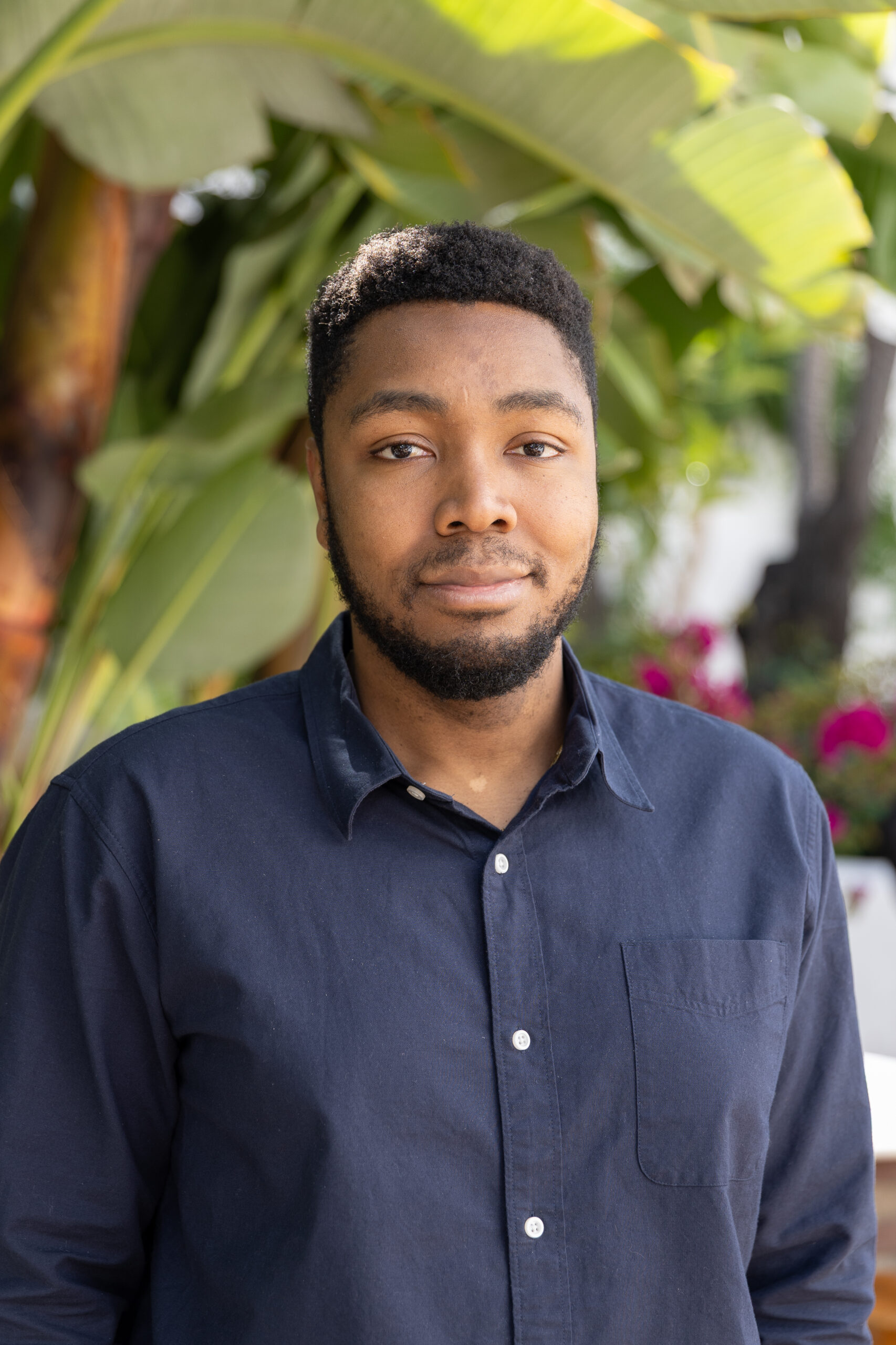
As the preeminent self-exclusion tool in the UK market, GAMSTOP is synonymous with the online gambling industry. The platform reached 500,000 users in September 2024 and has continued to track upwards from there.
CEO Fiona Palmer informs EGR at a packed iGB L!VE that the figure is much closer to 580,000 today, as more users opt to block themselves from gambling. Since 2020, licensed UK operators have been required to signpost players to GAMSTOP, a move which has undoubtedly been a positive step.
According to the latest data, more than 510,000 bettors are actively self-excluded right now, with more than 1% of the UK’s adult population using GAMSTOP at some point.
Having held the position of GAMSTOP CEO since January 2018, Palmer has helped oversee the development of the tool as the wider industry has grown and changed. But challenges were and are abound.
A growing black market in the UK is a key talking point. And affiliate sites actively promoting ‘not on GAMSTOP’ casinos to those who have self-excluded are a particularly prickly thorn in Palmer’s side. These sites, which often hijack discarded platforms which previous had historically high rankings on search engines, are propping up unlicensed, black market firms targeting UK players.
Palmer, who previously spent several years at Sky Betting & Gaming, is vocal is her distaste for the practice. Here, she explains what is being done to crack the offending platforms as she reflects on her seven years in the post.
EGR: You worked for Sky Betting & Gaming for more than seven years across multiple roles. What attracted you to shifting over to GAMSTOP in 2018?
Fiona Palmer (FP): I was passionate about playing my part to make the gambling industry a safer place. That was driven by having younger children at the time and knowing I could take the expertise and knowledge I’d gathered from Sky Bet. I felt very privileged to have the role of head of compliance and social responsibility there. Taking those understandings with me, I felt I was best placed to help the industry set up a national online self-exclusion scheme. I understood the language of the industry and knew what was needed.
[Working for GAMSTOP is] extremely rewarding. I didn’t really anticipate quite how impactful it was going to be. We have users of the service come up to us and say, ‘you’ve saved my life’ or ‘you’ve really helped’. We sit in our four walls and provide the service, but they bring it to life. If we help one person, then it’s fantastic. That’s what we want to do.EGR: How do you feel about GAMSTOP chair Jenny Watson stepping down this September, and how is GAMSTOP preparing for her departure?
FP: Jenny was our first independent chair. She’s been absolutely superb and she and I have worked extremely well together. Of course, I’m going to be very sad to see her leave, but it’s the right time for GAMSTOP and the right time for her. Our non-executive directors serve terms of service, and she’s served her term. She’s stayed on a little longer just to help us through a recent transition. Jenny been fantastic as a support to me as I’ve grown and developed in the role, but also helping to shape the strategic direction of GAMSTOP into what we are now.
EGR: What was your reaction to the GAMSTOP data published in February that suggested around 25% of new registrants were aged between 16 and 24?
FP: GAMSTOP is a tool for people to use. We don’t question why they want to use it – it’s a gambling management tool. It’s great that the younger generation are aware of the tool and that they are using it to help themselves. I’ve got late teenage and early 20s children now, and through them and their friends, you realise they know about GAMSTOP and they really appreciate it. They talk very openly about if they use GAMSTOP or not and I think that’s great. That’s the way it should be – remove the stigma. That’s what the younger generation are doing by talking and being open about it.
When you turn 18, gambling is like a rite of passage for a certain cohort. They can’t gamble before because the regulations are so tight and the age verification absolutely works. It’s almost like the one thing that they [under-18s] can’t do until they’re of age, so there’s a pent-up demand to try it. When you turn 18 and sign up for a betting account, you need the guiderails, but some don’t have them in the way they need them. Up until that point in life, kids have had quite a controlled pattern and structure. Then they turn 18, are let loose on the internet and start gambling. To me, I see that as new people coming into the potential cohort of users of GAMSTOP.
I think a massive awareness piece is needed about the risks associated with gambling. That way it can be an informed choice. Eighteen is a very impressionable age to be starting out, and they need to have that bit more guidance.

EGR: Why do you think there might be a significant number of registrations from this particular cohort?
FP: It is a question that we ask. We’d like to think we’re hitting the right cohorts with our awareness raising. We do a lot of work with universities. We partner with [youth gambling harms charity] Ygam and go out and do trade shows and other things with them. Not only do the younger generation talk more openly about gambling, but we’ve got many people who have used the services who like to put their stories out on the likes of TikTok and Snapchat. These are mediums the younger generation are more in tune with and, if they start to see trends there and start to pick up the stories, it raises awareness among them.
EGR: GAMSTOP reached the 500,000-user milestone back in September 2024. What do you believe that says about the current state of the industry?
FP: It’s never good to have that volume of people. It’s not a success story. But it is a relief that we’re here for the people who need help. It comes back to the awareness, a lot of which is generated by people who have used the service talking about it. It’s huge what they do to help others. It could be family members who put themselves on GAMSTOP just to help loved ones they’re concerned about.
EGR: What are your thoughts on affiliate sites promoting casinos that are not on GAMSTOP and unlicensed in the UK? How do you go about combatting this?
FP: It’s absolutely abhorrent that there are people out there who want to specifically target other people at a vulnerable time in their life. These players put their hands up and take the initiative to sign up to GAMSTOP. To then use GAMSTOP to target people … I just cannot comprehend why anyone would want to do that. If you are a true human being who cares about other human beings, why would you do that?
When it first started, we did try to address some of these sites through our IP rights and such. From the absolute outset, we’ve worked closely with the Gambling Commission, and we have a good working relationship. We’ve also fed information through to the Department for Culture, Media and Sport (DCMS). We very much support the Gambling Commission in obtaining new powers under the new regulations coming through parliament, and we applaud the work that Andrew [Rhodes, Gambling Cimmision CEO] and the team are doing with the other regulators.
One approach is to have a universal, joined-up approach between regulators because, if it’s licensed operators in other jurisdictions that are targeting these GAMSTOP users, then there’s no question in my mind that they’re not fit to have a licence. We’re a small team. We can’t address this on our own. We’re a not-for-profit organisation, but we do try and use our voice where we can, as well to try raise awareness.
There are other industries and sectors that can help with it too, such as the financial sector as people are paying to use these platforms. There’s always going to be some form of illegal market. [Just] don’t give them a platform to have their voice. If you remove the platform, it makes it less interesting.
EGR: Although GAMSTOP’s funding won’t be affected by the statutory levy, do you share the concerns of gambling-related harm charities in the sector?
FP: There is a concern there. While our funding is unaffected, we are part of the safer gambling ecosystem, and we work closely with other third parties. Watching on from the sidelines, I can see how much energy it is channelling away from their core purpose of helping consumers – they’re having to focus on fighting for their funding. My view is it needs to be sorted quickly. [They need] transparent communication otherwise rumours start to swell, and rumours don’t help anybody.