
Attracting the next generation of poker players
In this article, brought to you by EvenBet Gaming, CEO Dmitry Starostenkov looks at what the industry must do to keep poker not just relevant, but thriving


Poker has always been a game of skill, psychology and community. It is one of the few forms of online entertainment that combines deep strategy with social interaction. But the audience that drove the online poker boom in the 2000s is not the same audience we need to attract today. If poker is to thrive over the next decade, the industry must focus on engaging new generations – particularly Gen Z, casual players and women – by rethinking the formats, tools and communities that define the game.
The changing role of poker
For many years, poker was seen as a niche product compared to sports betting or slots. Today, however, operators increasingly recognise that its value goes far beyond gross gaming revenue (GGR). Poker is unique because it drives engagement, retention and community-building in a way no other igaming vertical can.
Large poker-first operators will always exist, catering to professionals and enthusiasts with extensive tournaments and liquidity. But for multivertical operators, poker is becoming a strategic tool: it extends sessions, creates cross-marketing opportunities and builds loyalty. In a mature igaming ecosystem, every vertical must play its part. Poker’s role is to connect players to a brand and keep them coming back.
Meeting the new audience
To play that role effectively, we need to understand how the new generation of players thinks.
Gen Z and Gen Alpha – have grown up with smartphones and social apps. They expect fast, interactive mobile-first experiences. A five-hour tournament is unlikely to hold their attention. They want short formats, instant rewards and the gamified progression they recognise from Duolingo or casual games.
Casual players – are looking for entertainment first. Winning money is exciting, but it is no longer the only motivation. For many, poker is about fun, variety and the thrill of competition rather than chasing professional glory.
Women – remain underrepresented in online poker. Too often, they feel like outsiders, judged or mistreated in male-dominated environments. This is a missed opportunity for the industry because creating an inclusive environment does not just attract women, it enriches the entire community.
Gamification as the bridge
One of the strongest ways to connect with these audiences is through gamification. The core mechanics of poker do not change, but the surrounding experience can, and must, be adapted.
Features such as missions, leaderboards, visualised progress and loyalty rewards tied to experience rather than spend resonate strongly with younger and casual players. At EvenBet Gaming, we recently introduced progressive rakeback, which functions as a full-scale loyalty programme. Casual users enjoy the intuitive visual elements, while seasoned players can maximise their rewards.
Gamification adds purpose beyond the hand being played. It creates milestones, streaks and visible progress – the same elements that keep players engaged in the most popular mobile games. For operators, these tools translate into longer retention cycles and more consistent engagement.
Community and social play
The other essential ingredient is community. Poker is by its very nature a peer-to-peer game. That makes it fundamentally different from slots or roulette, where interaction is limited. The sense of belonging to a community, feeling valued and recognised, keeps players loyal in ways no bonus alone can achieve.

This is why social formats, streaming and influencer-driven content are becoming central to poker’s future. Younger audiences in particular are drawn to tribal experiences, built around streamers, brands or even specific formats. We are already seeing footballers and celebrities attract more new poker users through live streams than professional players do. The lesson is clear: entertainment value and community appeal drive acquisition more effectively than pure competition.
Making poker more inclusive
Attracting female players requires deliberate effort. Operators need to create safer spaces, inclusive branding and communities where women feel welcome. Representation also matters; visible female ambassadors and role models can show that poker is not just a male domain.
Inclusivity is not a side issue. It is central to the sustainability of poker. The more diverse the community, the richer the ecosystem becomes. Diversity brings new perspectives, new styles of play and, ultimately, new growth.
Casual doesn’t mean shallow
There is sometimes a misconception that casualisation threatens the integrity of poker. I would argue the opposite. Professionals and hardcore grinders remain vital to the ecosystem, but they cannot sustain it alone. Casual players bring liquidity, energy and long-term viability. They may not dedicate hours every day, but they create the scale that allows the ecosystem to flourish.
The industry must stop treating casual players as second-class citizens. They are, in many ways, the future of the game.
Looking ahead
The reinvention of poker is already underway. Fast formats like Fast Fold, Spin & Go and mystery bounty tournaments are growing. Social and sweepstakes poker are introducing millions of new players to the game, particularly in North America. Streaming and influencer-led marketing are reshaping acquisition. And in emerging markets such as Africa and Brazil, infrastructure improvements and regulation are opening up entirely new opportunities.
At EvenBet Gaming, we are committed to helping operators adapt to this evolution. Our mission is to deliver flexible solutions that fit different markets and business objectives, whether poker is a core product or a complementary vertical. This November, we will launch a new poker-based product designed for sportsbooks and casinos, built to deliver quick engagement and revenue even with modest liquidity.
Poker’s survival – and growth– depends on its ability to evolve. The next generation of players is already here, and they expect more than just cash games and tournaments. They want speed, interactivity, inclusivity and community.
As an industry, we must move beyond the view of poker as a niche for professionals. It is a powerful tool for engagement and a cultural product with unique social value. The future of poker is not just competitive – it is social, diverse and inclusive. And if we embrace that future, poker will not only remain relevant, it will thrive for decades to come.
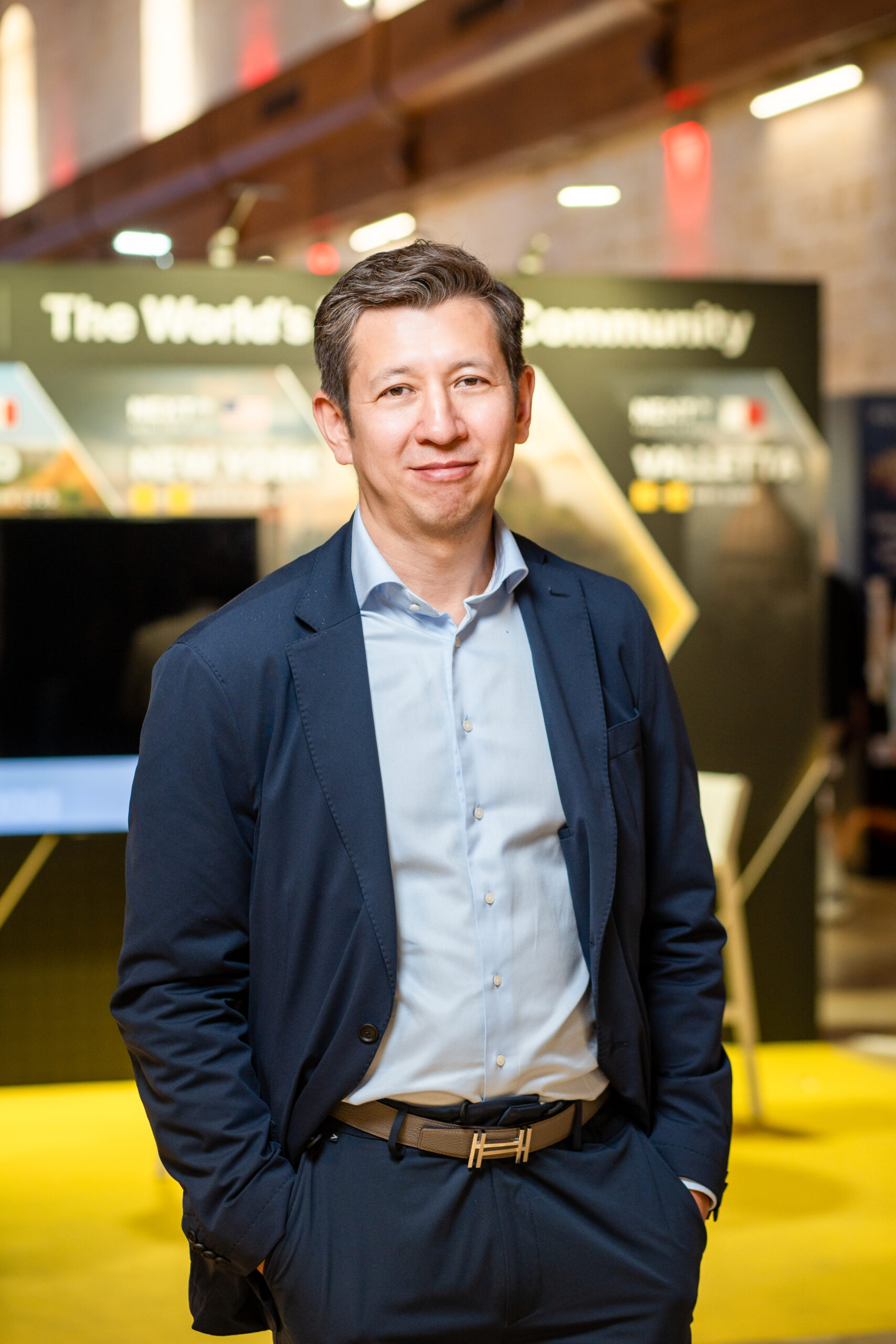
CEO Dmitry Starostenkov has been leading EvenBet Gaming since the company’s foundation in 2001, from a local custom development startup to a worldwide renowned online poker software brand with a team of more than 150 developers.
He has over 15 years of expertise in the online poker market and is regarded as an expert at industry conferences, summits and in the media.
Outside of EvenBet Gaming, Starostenkov has participated as a founder and business angel in several high-tech startups, including software vendors, developers and payment processing companies. His main business goal is to gain the leader position for EvenBet Gaming globally while maintaining sustainable company development.