
Yggdrasil Gaming CEO: “We've fundamentally changed what Yggdrasil can be as a business”
In this article, brought to you by Yggdrasil, CEO James Curwen reflects on his three years at the helm, lessons learned, the challenges of leading change and the future of slot development

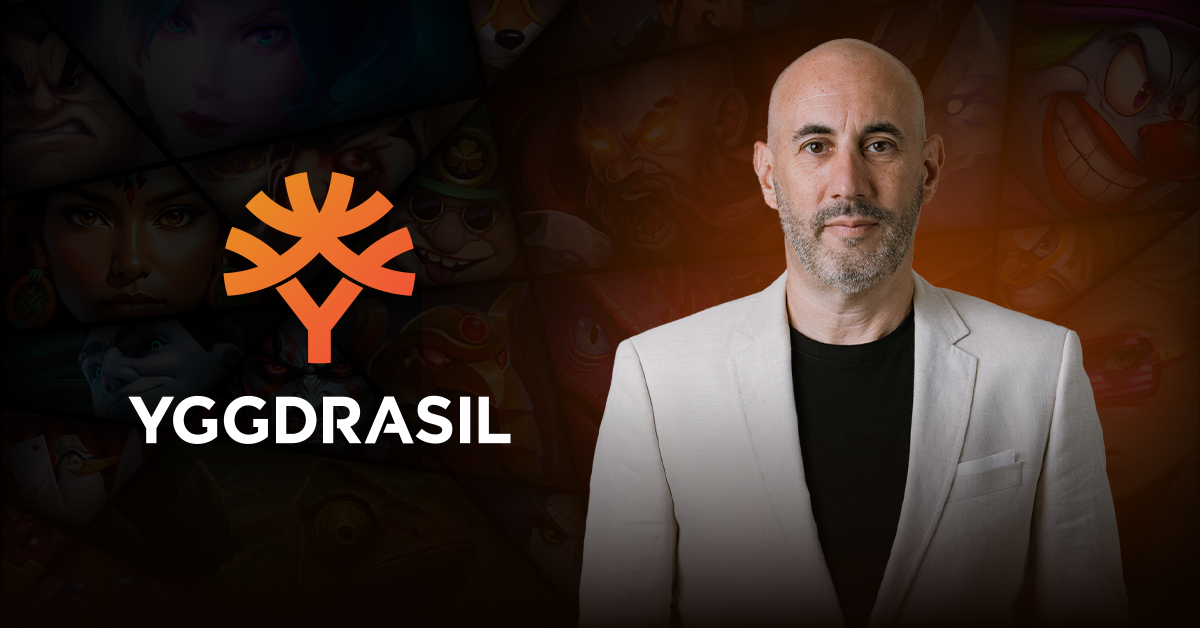
In an in-depth interview with EGR, James Curwen shares his ambition to make Yggdrasil one of the world’s largest content distributors – and his plans to get there.
EGR: When you took over at Yggdrasil, what did you feel needed to change first and what were you determined to preserve?
James Curwen (JC): Yggdrasil had a fantastic reputation for innovation and producing great games, but historically we were developing around one game a month at considerable cost. The industry has changed dramatically. The number of games entering the market has multiplied, making it increasingly difficult for individual titles to generate a return on investment.
I knew we couldn’t continue operating in the same way. Technology had to be at the centre of my strategy because that’s where I knew we could win. I’ve always believed disruptive innovation is what allows businesses to achieve exceptional growth. It’s expensive, challenging and takes time, but I was convinced it was the right direction.
What I wanted to preserve was Yggdrasil’s creativity and reputation for quality. The objective was never to change what made us successful, but to fundamentally change how we delivered it.
EGR: What has been the hardest part of turning your plans for Yggdrasil into changes across the business?
JC: The biggest challenge has been changing established ways of working, particularly how games are developed. Spending eight months and €150,000 developing a single game simply isn’t sustainable in today’s market. Equally, I didn’t want us following the industry trend of producing five or six reskins of every successful title. The market is saturated with them, and operators and players recognise that.
The other major challenge was ensuring we had the right people to deliver the strategy. We’ve made significant changes to the organisation over the past three years, bringing in new capabilities and building a team aligned with where we’re taking the business.
What’s particularly encouraging is how stable the organisation has become. Attrition over the last 12 months is now in the low single digits, which gives me confidence that we have the right people in the right roles. Changing technology is difficult but changing how people think and work is often the bigger challenge.
EGR: What change behind the scenes are you most proud of and why?
JC: Without doubt, GIAB.
We’ve invested in building technology that many people across the industry told us couldn’t be done. The team has delivered something genuinely disruptive, fundamentally changing the economics of game development.
But I’m equally proud of how we’ve built an entirely new business model around that technology. We now have four strategic financial pillars: GIAB, SIAB, YGG Masters and YGG Masters using GIAB, which launches in Q1 2027. Each has its own commercial model and P&L, allowing us to generate revenue beyond simply developing and distributing our own games.
I don’t believe there’s another B2B supplier offering the breadth of solutions we’ve created. We haven’t just improved how we build games; we’ve fundamentally changed what Yggdrasil can be as a business.

EGR: Compared with a decade ago, what is the biggest change in how you lead an igaming business? Is there an approach that worked then that you would question today?
JC: My leadership style hasn’t fundamentally changed. I’ve always taken a mentoring approach with my management teams, giving people responsibility, supporting them and helping them develop.
What has evolved is how I think about strategy. For me, strategy is about winning. I look at the market we’re competing in, understand the challenges and opportunities and work out where and how we can win. From there, I build a short, medium- and long-term strategy that I believe in, and then I commit to delivering it.
I think too many businesses focus on short-term results at the expense of long-term success. The best strategies often require significant investment, difficult decisions and time to deliver. That’s also why having shareholders that understand and support the strategy is so important.
At Yggdrasil, I set a clear direction three years ago, and we’ve stayed committed to it. In 2027, we’ll begin to unlock its full commercial potential. If you look at businesses that have achieved exceptional growth, disruptive innovation is often at the heart of their success. That’s what I look for, and that’s what I’ve focused on at Yggdrasil.
EGR: With AI creating new possibilities and regulation evolving, what are the most important decisions igaming leaders need to make today?
JC: AI is a fantastic tool, but that’s exactly what it is: a tool. It shouldn’t replace people’s thinking or make them lazy. It should help them work faster, understand data better and make more informed decisions.
The bigger question for leaders is how they build resilience into their businesses.
We’re operating in an industry where regulation, market conditions and commercial opportunities can change very quickly. If your business is overly dependent on one market, one product or one revenue stream, you’re exposing yourself to significant risk.
That’s why diversification has been such an important part of my strategy at Yggdrasil.
The businesses that succeed will be those that can adapt quickly without every market change having a material impact on their performance.
EGR: Beyond the number of games released, how should a slot supplier measure success, and how does that influence what gets developed?
JC: Firstly, I believe volume is important. With thousands of new games entering the market every year, you need sufficient content to remain relevant and competitive.
Across our four strategic financial pillars – GIAB, SIAB, YGG Masters and YGG Masters using GIAB – I expect Yggdrasil to be delivering close to 300 games annually in 2027, putting us in a position to challenge the world’s largest content distributors. But volume alone doesn’t define success.
For me, the measure is very simple: are you generating a return on your investment?
You need to understand which games perform, which don’t and why. That data should directly influence future development decisions.
GIAB allows us to produce original games faster and at significantly lower costs, fundamentally improving the economics of game development.
Ultimately, strategy is about winning, and in business, winning means generating sustainable profits.

EGR: What challenge do you think slot suppliers are underestimating over the next five years, and how are you preparing Yggdrasil to address it?
JC: I think there are two major challenges: visibility and regulation.
Casino lobbies are already overcrowded, and with thousands of new games launching every year, securing meaningful visibility is becoming increasingly difficult, particularly for smaller studios. If you’re spending significant amounts developing games but struggling to secure distribution and visibility, the economics become very challenging.
That’s one of the reasons we’re opening our technology to YGG Masters partners so they can develop brand-new games faster, cheaper and at scale. We’re not just using disruptive technology to grow Yggdrasil; we’re making it available to support our partners and the wider industry.
Regulation is the other major challenge. As suppliers, we’re dependent on operators having access to markets in which they can distribute our content. Changes in regulation can therefore have a significant impact on our businesses.
That’s why I believe diversification, efficient development and strong distribution will become increasingly important. The suppliers that adapt to those realities will be the ones that succeed over the next five years.

James Curwen is CEO of Yggdrasil Gaming, an award-winning igaming supplier. Since assuming the role in 2023, he has led the company’s evolution beyond game development, investing in proprietary technology such as Game in a Box™ to help studios create and launch games more efficiently. He brings extensive industry experience, having held senior leadership roles at OPAP, William Hill and Superbet.
About Yggdrasil: Yggdrasil is a leading igaming company founded in 2013, known for creating high-quality slot games and innovative gaming technology. With a portfolio of over 500 titles, including Vikings Go Berzerk and Valley of the Gods, the company combines engaging gameplay with game creation solutions such as Game in a Box™, BOOST tools, and a wide range of Game Engagement Mechanics.
Headquartered in Malta, Yggdrasil also supports partner studios through programmes like YGG Masters and YGG Champions, helping them develop and scale successfully in the global market.