
Brazil’s president bans online gambling ahead of October’s election
Trade body IBJR slams Lula’s provisional measure to close the legal market less than two years after launch, insisting there will be “significant economic and legal impacts”

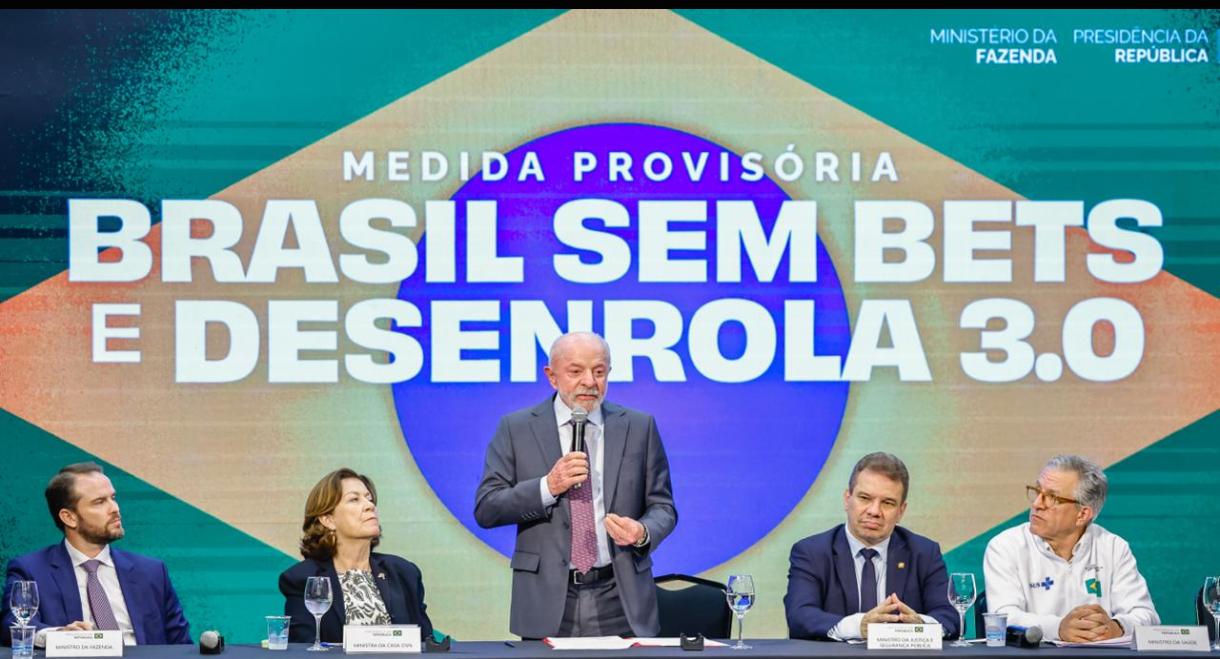
Brazilian President Luiz Inácio Lula da Silva has announced a ban on online sports betting and casino from 6 October, as the 80-year-old left-wing leader accused the activity of being “a cancer” that needed to be “removed”.
Lula, who is seeking an historic fourth term in office in this October’s presidential election, said it was a “tough, drastic and necessary measure”, adding that the “harm to the people far outweighs the economic gains”.
The ban announced today, 25 September, is a ‘Medida Provisória’, or Provisional Measure, which means it is temporary and Congress must vote on and approve the measure within 60 days. This may be extended for another 60 days if the legislative process has not been completed.
If the Chamber of Deputies and Senate fail to pass a vote within this timeframe, it automatically expires. As of now, though, regulated operators must not accept bets from Brazilians, while funds held in accounts are to be refunded to players by 6 October.
In an X post, Lula blasted: “The bets had become a cancer. Either we removed that tumour, or it would end up destroying us.”
He continued: “This isn’t a game. It’s very serious. We won’t allow betting companies to profit at the expense of Brazilian families’ income and lives. From the money for milk, for bread, for meals. We did what had to be done: end the bets.”
He also claimed, without evidence, his Workers Party had “eliminated” more than 65,000 illegal gambling sites since the market regulated on 1 January 2025.
Online gambling trade body the Brazilian Institute of Responsible Gambling (IBJR), which includes the likes of Betano, bet365 and Sportingbet, said the “total ban on fixed-odds betting represents a rupture in the regulatory framework” and “jeopardises economic activity”.
The IBJR added: “Companies have made investments, hired professionals, developed systems, entered into contracts and paid fees to comply with the requirements established by the regulations.
“Shutting down this market shortly after its implementation will produce significant economic and legal impacts and will compromise the progress made in formalising and controlling an activity that already existed in the country.”
The trade body underlined that a ban “doesn’t eliminate existing demand”, while pointing to a LCA Consultores study which found between 38% and 44% of online betting happens on unlicensed platforms.
Furthermore, LCA Consultores estimated that between 2027 and 2030, a ban could jeopardise between BRL58bn (£8.5m) and BRL73bn in revenue, based on the assumption 80% to 100% of the demand currently served by the regulated market migrates to illegal operators.
The Brazilian government has awarded a total of 85 licences, valid for five years, at a cost of BRL$30m each, which means operators have handed over BRL2.5bn in licence fees alone since the market went live in 2025.
Presidential rival and Rio de Janeiro Senator Flávio Bolsonaro – the son of former right-wing populist president Jair Bolsonaro – criticised Lula’s decision, accusing the incumbent of being “desperate” and said the move was “populist, hypocritical and election driven”.
Both candidates stand neck and neck in the polls, while prediction markets platform Kalshi has Bolsonaro as the 56% favourite to win the race, with Brazilians set to cast their votes on 4 October.
News of an immediate ban will be a blow to international heavyweights like Kaizen-owned Betano and bet365, both of which are thought to be the leading legal brands in the country.
Bucharest-based Superbet and Entain-owned Sportingbet are also prominent players, while Flutter operates Betfair in Brazil and took a majority stake in the company behind domestic brand Betnactional in 2025.
Given the swathe of deals struck between gambling firms and professional football clubs, Rio de Janeiro side Flamengo described the measure as a “heavy blow to Brazilian sports” and warned of the knock-on financial effects.
Flamengo said in a statement: “No regulation is untouchable. If there are problems, the rules need to be refined. If they need to be tougher, let them be.
“Those who break the law must be punished. But there’s a fundamental difference between refining a regulation and simply dismantling it.”
A total of 13 of 20 football clubs in Brazil’s top division, Campeonato Brasileiro Série A, have an online betting logo as their principal sponsor, while Betano sponsors the league itself.
The Betano website says it has suspended operations in Brazil and customers have until 11.59pm local time on 5 October to withdraw their funds.
While legal online gambling launched in 2025 under Lula’s leadership, it was his predecessor, Jair Bolsonaro, who approved a 2018 piece of legislation to regulate sports betting in the country.
Before the provisional measure was announced, Brazilian igaming lawyer Neil Montgomery wrote in a LinkedIn post that any ban would “certainly trigger intense litigation and will require Congressional validation”.
He caveated this statement by warning all stakeholders to “buckle up for the bumpy ride”.
Brazil market expert Ramiro Atucha wrote in a piece for EGR that any prohibition of online casino would be a “bait and switch” for regulated operators.
In a note, Regulus Partners said there was an 85% likelihood the ban lasts between a week and months, while adding that over $2bn in direct taxes and more than 10,000 jobs “have been put at risk for a political stunt”.
Leading public companies have put out statements on the potential impact to their financials should the ban last the remainder of 2026.