
Speed up icasino regulation to fend off prediction markets and sweeps, say CEOs
Industry experts suggest a more well-rounded regulatory approach that also includes online casino will drive tax revenue and satiate player demands
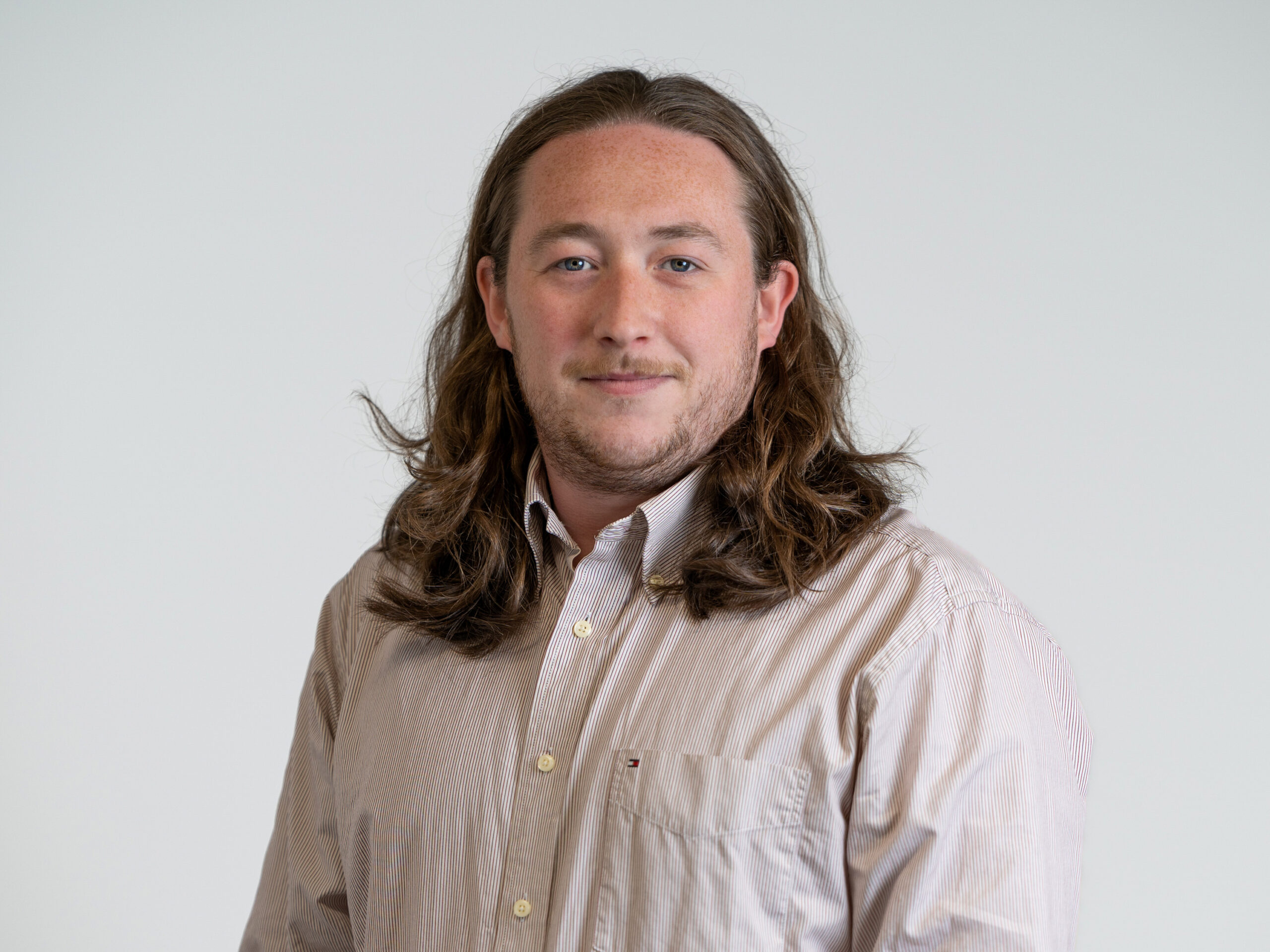
Bet99 CEO Jared Beber has stated the multi-vertical aspect of the regulated Ontario market has meant the province has staved off concerns over disruptive sectors such as prediction markets.
Speaking on a panel at the SBC Summit in Lisbon, Beber cited the fact Ontario has had a live, legal online sports betting, casino, and poker market since April 2022.
This, he suggested, had satiated consumer demand in the province and meant leakage to verticals such as prediction markets and sweepstakes had not mirrored that of the US.
Prediction markets like Kalshi have launched sports event contracts across all 50 US states, while sweepstakes operators have been able to offer dual-currency models in several markets.
The pushback against sweeps has been strong this year, with some states outlawing them, while prediction markets have found themselves tied up in state-level legal battles.
Beber said: “When demand outpaces supply, in this case, regulation, people will find a way to satisfy their needs and wants.
“People want to participate in sports betting and casino, and they will find a way to do that. [In] Ontario, we’re not talking about prediction markets or social casino or sweepstakes in that market. Why? Because they’ve done a phenomenal job at actually creating an open market that allows for operators to compete on the back of a full product offering.
“Therefore, for the players there’s no limitation on the supply of what they need. And as a result, it can be controlled, it can be managed, it can be regulated, and players who are usually ahead of regulation can satisfy their wants in a regulated space.”
Appearing on the same panel, former Pinnacle CEO Paris Smith said US legislators should speed up the legalization of online casino to fend off challenges.
Online casino is only legal in seven US states, whereas sports betting is legal in 39 states plus DC and Puerto Rico.
Smith added: “I don’t think [innovation] is being stifled. It has to be redirected. If they stop the nonsense of not having icasino licensing, that would be one thing that would really take away from the prediction markets and all the things that have been created.
“If [authorities] were to understand then what you’re going to do is give players what they want and create a ton of tax [revenue], but instead, they are listening to people that have a very specific agenda.”