
Oddin.gg CEO: Why live dealers should be an operator decision, not a supplier default
In this article, brought to you by Oddin.gg, co-founder and CEO Vlastimil Venclík looks at how operators customise nearly everything in a live casino environment except the dealer, and why AI-driven digital dealers are about to change that

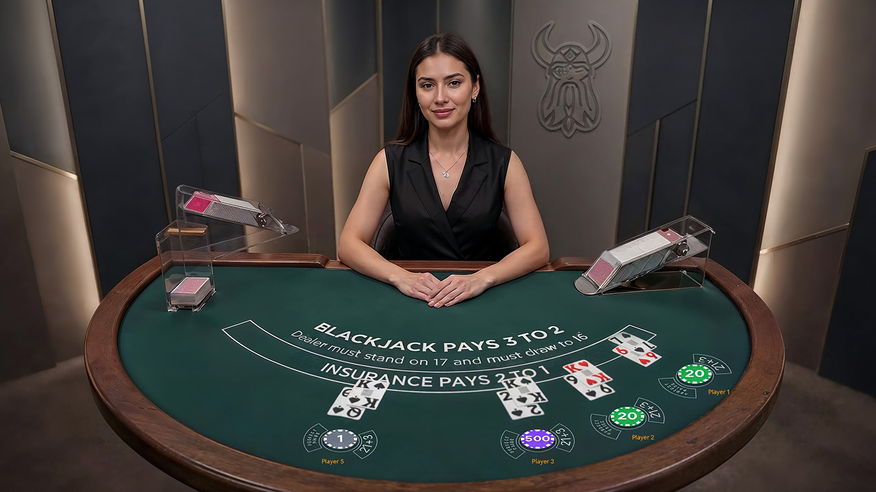
Casinos have a differentiation problem
Open any US casino app and tap into live blackjack. The design is most likely customised to fit the brand. So are the limits, the welcome offers and the loyalty points. But one critical aspect is not controlled by the brand: the dealer.
She was hired, dressed and lit to work in a supplier’s studio. She deals the same shoe to every brand that licenses the feed. Your feed has your logo on the frame. But your competitor has the same feed with the same dealer. The only difference is their brand logo is on it. From the player’s point of view, the experience is identical; the only difference is the logo.
This isn’t an oversight. It’s at the core of most live dealer business models. Filming a real person in a real room costs money. Sharing the room makes the approach scalable. Studios run those tables well; players trust them and casinos profit from them. Still, this solution leaves operators in a strange spot. The most-watched person in their casino is the one thing they never chose, and it gives them no real way to differentiate themselves.
How technology can solve the casino’s challenge
When operators think about what needs to change to stand out, they rarely think of technology as the solution. They want to know how the table can be uniquely theirs: their cards, their colours, their voice. In short, they want to plug into their own personality.
They also want to move fast, or at least faster than a studio can. A new live table can take three to four weeks to stand up. By then, the demand that sparked the need for more supply is over, and they were too slow to benefit from the surge.
The problem wasn’t that they couldn’t work fast enough. It’s that they still tend to look in the wrong places. They’re looking to humans, not AI and digital solutions.
A solution for the app and the casino floor
Walk through any casino resort and count the screens. Bar tops, tablets, kiosks, electronic table games. Most of them deal to nobody in particular, either with no host at all or with a video loop that smiles on cue.
Land-based operators are starting to look at those screens differently. A host there could deal a hand of baccarat, then mention that the steakhouse has a table at eight, or that Saturday’s show still has seats. Online or on the floor, the instinct is the same. Operators want a dealer who works for their brand, not a supplier’s.
What is a digital dealer, and why is it possible now?
Today’s digital dealers are AI-generated personas created in real time, not a recording. The shuffle, the cards and the result still come from certified game systems. What changes is the software around that system: who’s dealing, how they sound, what they say between hands, what language they speak.
For as long as live dealers have been used, the options have been limited. Shared tables were the only solution because the dealer had to be filmed. That constraint is gone.
Several companies are working on this, including Oddin.gg. Done well, one operator can give the premium table a host with a little polish, and the late-night table one with a little edge. A player in their New Jersey casino hears about the New Jersey promotion, and a player in Michigan hears about Michigan’s deals. A Spanish-language table stops being a second studio and becomes a setting.
What a digital dealer should never change
None of this can work without trust. A player should always know the dealer is digital. The game should be certified, and the dealer should have no say in how a hand turns out. The operator should be able to hear every word its dealer says. A supplier that can’t promise those things doesn’t belong at the table.
And the human dealer isn’t going anywhere. Plenty of players want a person across the felt, and plenty of operators will keep giving them one.
Time to own the dealer
As long as live casino has existed, operators have rented the dealer. There was no other way to put one on a screen. Now there is, and that changes the live table experience.
For a decade, it was a content category, bought from a supplier the way slots are bought, differentiated only by limits and a logo. A digital dealer brings it closer to a brand asset: a persona with a look, a voice, a language and a script that belong to the operator and travel with it, from the New Jersey app to the baccarat tablets on the floor in Las Vegas.
That shift puts new questions on the operator’s desk that used to sit with the studio. Who the dealer is. Whether it carries a mascot, an ambassador or a house character, and who clears the likeness. What it says between hands, and who signs off on that in each jurisdiction. How quickly a table can change when a season, sponsorship or promotion does. None of these are technology questions, which is the point. The technology is becoming the easy part.
My bet is the live casino brands that players remember a few years from now will be the ones that took those questions seriously early – and chose carefully who sits behind the table.
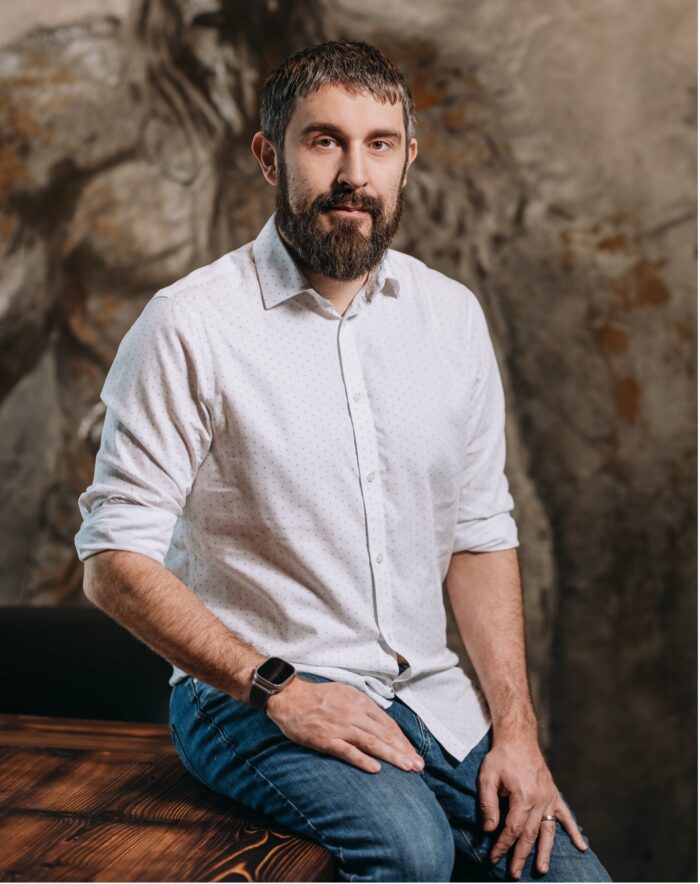
Vlastimil Venclík is CEO and co-founder of Oddin.gg, part of Realms Group. Oddin.gg builds esports odds, trading and risk management for sportsbooks. In August 2026, it launched Oddin Casino, its first move beyond esports. Its first product is a digital dealer.