
Utah Attorney General: Prediction markets are “a wolf in sheep’s clothing”
Derek Brown vows to fight back against the growing vertical, labeling it a “distinction without a difference” from traditional sports betting
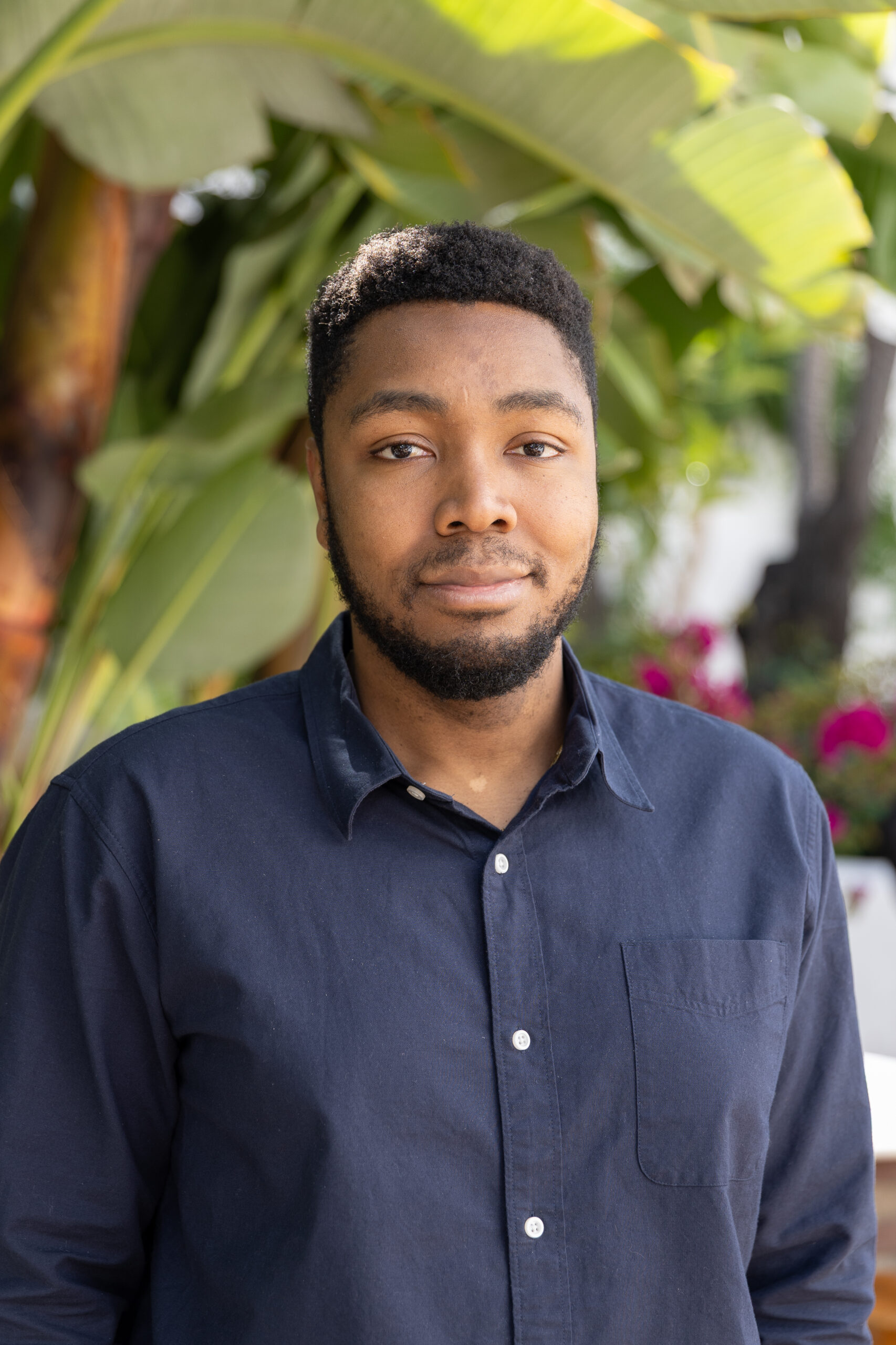
Utah Attorney General Derek Brown has slammed prediction markets platforms for marketing to young people in the Beehive State.
In an op-ed penned in the Deseret News, Brown slammed Kalshi and other platforms for effectively offering sports betting in the state, which holds a vehemently anti-gambling stance.
Brown highlighted the issue of prediction markets targeting young people, using Kalshi as an example, amid a push around Super Bowl LX earlier in February.
He wrote: “Recently, we have seen the newest iteration of gambling: the so-called ‘prediction markets’. Promoters, most prominently Kalshi, insist this is not gambling at all but merely ‘trading on futures’.
“Although traditional sports betting apps are illegal under Utah law, these platforms argue that they merely allow users to hedge their risk. But what is the real risk to hedge when you are simply predicting whether LeBron James will score more or less than another player? It’s simply a bet, dressed up in different clothing.”
“Betting. Wagering. Trading on futures. A wolf in sheep’s clothing is still a wolf. As Utah’s attorney general, I view this as a distinction without a difference.”
Brown added that such platforms carry a similar risk of addiction as sports betting apps, which are particularly harmful in the hands of young people.
He continued: “We now better understand how these apps work. Like social media apps before them and nicotine even earlier, they are designed to hook users by delivering a dopamine hit.
“We are just beginning to understand the psychological toll of addictive social media algorithms. Now imagine adding financial risk to that same design. Not just anxiety or depression, but rent money. Tuition. Student loans.”
Brown has served as Utah Attorney General since January 2025. He is the former chair of the Utah Republican Party and a former member of the state’s House of Representatives.
His comments come after Utah governor Spencer Cox said he would go to court to block prediction markets from operating in the state.
Posting on X in response to Commodity Futures Trading Commission chair Michael Selig’s bullish comments on the sector, Cox said: “Let me be clear, I will use every resource within my disposal as governor of the sovereign state of Utah, and under the Constitution of the United States to beat you in court.”
Selig stated that the regulator would “defend its exclusive jurisdiction over commodity derivatives” in court disputes across the US.
Mike, I appreciate you attempting this with a straight face, but I don’t remember the CFTC having authority over the “derivative market” of LeBron James rebounds. These prediction markets you are breathlessly defending are gambling—pure and simple. They are destroying the lives… https://t.co/Ohup2x3D8u
— Governor Cox (@GovCox) February 17, 2026
American Gaming Association CEO Bill Miller echoed Brown and Cox’s sentiments, calling for prediction markets platforms to fall under the same regulatory purview as sports betting operators.
In a letter published in the Las Vegas Review-Journal, Miller said that a “level playing field” for sports betting and prediction markets should not be “optional”.
He wrote: “Rebranding sports betting as ‘trading’ does not change the product. It ignores the voice of voters and elected leaders who deliberately created a state- and tribal-regulated system to oversee gambling.
“This is exactly why state attorneys general and tribal governments across the country are filing lawsuits and taking enforcement action.
“States are pushing back because these products bypass proven consumer protections, undermine state authority and threaten the integrity of a regulated market.
“If companies want to offer products that look and function like sports betting, common sense dictates they should operate within the same state and tribal systems as every other licensed sportsbook.
“That means licensing, oversight, integrity monitoring and paying the same taxes that support education, infrastructure and responsible gaming programs. A level playing field is not optional. It is the foundation of a legal, transparent and accountable gaming market.”
The op-eds come after other regional publishers have issued pushback editorials against prediction markets, including The Boston Globe and The Minnesota Star Tribune.
Major operators such as FanDuel and DraftKings left the American Gaming Association last year after launching prediction markets products.
Have Your Say
Take our short customer survey on EGR’s content and data offering for the chance to win a £100 Amazon voucher. It will take less than three minutes, with the findings used to inform our plans to improve the platform.